Embracing Imperfection
Wabi-Sabi (侘寂) is a Japanese concept that embraces the beauty of imperfection, impermanence, and simplicity. It is often translated as:
“Wabi” (侘)- meaning rustic simplicity, quietness, or understated elegance. It reflects a sense of peace found in solitude, minimalism, and nature.
“Sabi” (寂)- meaning the beauty of ageing, the passage of time, and the charm of things that are worn, weathered, or imperfect.
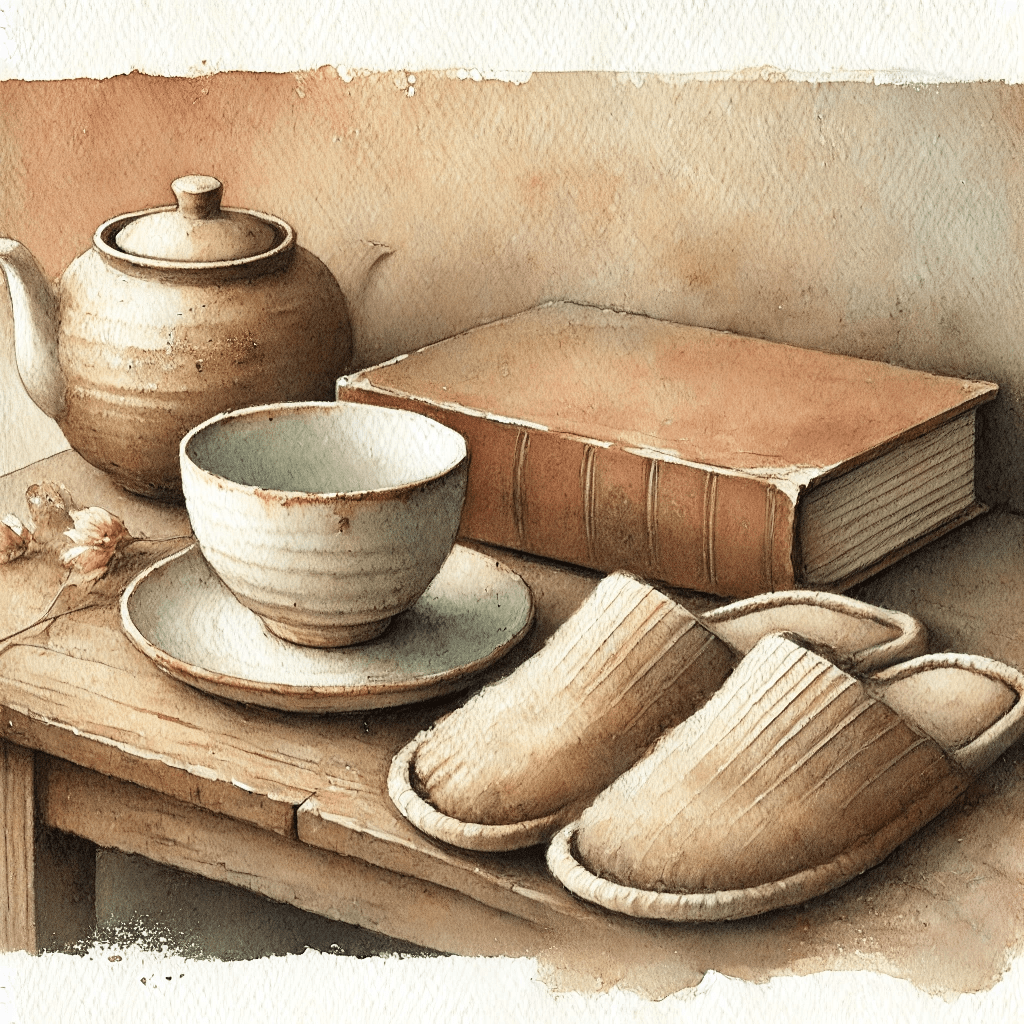
Together, Wabi-Sabi invites us to see beauty in what is incomplete, flawed, or fleeting- a chipped teacup, a faded leaf, or a crack in a stone.
It teaches us that nothing lasts, nothing is perfect, and nothing is finished- and yet, within that truth lies quiet grace and timeless beauty.
There is a quiet comfort in things unfinished, a gentle beauty in what time has worn. Wabi-sabi reminds us that nothing lasts, nothing is perfect, and nothing is ever truly complete.
Yet within this fleeting, imperfect world lies a quiet kind of wonder. A chipped cup still holds warmth. A faded leaf dances just as freely as one still green. And the lines on your face? They are the stories your smile once wrote.
The Beauty in the Broken
The crack in the vase did not break it- it let the light in.
The threadbare rug still remembers footsteps- woven memories too soft to fade.
The page torn from your book did not steal the story- the words still linger, quietly resting between the lines.
There is no shame in what is worn, no failure in what is unfinished.
For what is imperfect is also true. And what is incomplete still belongs.
The cup, the rug, the page, the face- they are beautiful, not despite their flaws, but because of them. So are you.
How to Practise Wabi-Sabi
To live with wabi-sabi is to let go of perfection. It is choosing to love what is, rather than longing for what could have been.
It is sitting with the chipped cup, not hiding it away. It is planting flowers in broken pots, letting crooked lines remain unstraightened, and finding comfort in a home that feels lived in.
It is welcoming the wrinkles on your face- the gentle marks of years well spent.
Wabi-sabi is the art of noticing what quietly endures- and loving it for simply being there.
Afterword
In a world that rushes to replace what’s worn and polish what’s rough, wabi-sabi invites us to pause. To breathe. To see the beauty in what stands quietly imperfect.
Not every scar must be hidden. Not every crack must be repaired.
Some things are more beautiful when left to be exactly as they are- weathered, softened, and full of life’s quiet wisdom.


Leave a Reply